From an Extra Tool into Infrastructure
Three Ways how AI is Reshaping the Medical Workflow
At RSNA 2025, Philips, Healthineers, and the start-up Deepc are presenting different strategies for transforming medical AI from an isolated tool into a networked infrastructure. While Philips focuses on device integration, Siemens offers AI services, Deepc provides a manufacturer-neutral platform.
William Baughman sits down in his office chair, opens a new patient file—and smiles: the most tedious work has already been done for the radiologist at MetroHealth Medical Center in Cleveland. CT images have already been annotated and clinically relevant observations summarized. "It's as if a resident has done the groundwork," says Baughman, describing his experience with the new AI-supported services from Siemens Healthineers. The scenario describes one of many new use cases in everyday clinical and outpatient practice and also represents a paradigm shift: AI has come of age and, after the initial hype and subsequent disillusionment, is now entering a phase of maturity in the clinical environment. Artificial intelligence is evolving from an isolated solution to an infrastructure, but it operates with different business models.


Three Strategies, one Goal
At the 2025 RSNA (Radiological Society of North America) conference, three medical technology manufacturers will present examples of how medical AI can be integrated into both the device landscape and business models. First, there is the service-based approach pursued by the engineers at Siemens Heathineers: Their newly released "AI Enablement Services" cover the entire radiological imaging chain – from planning and scanning to diagnosis. The manufacturer-independent package combines AI-supported annotation with remote scanning services and remote reading by external partner organizations. Initial pilot projects are showing measurable results: Radiologists were able to annotate CT images of the chest up to 25 percent faster with the same clinical accuracy, and cognitive load was reduced by at least 16 percent.
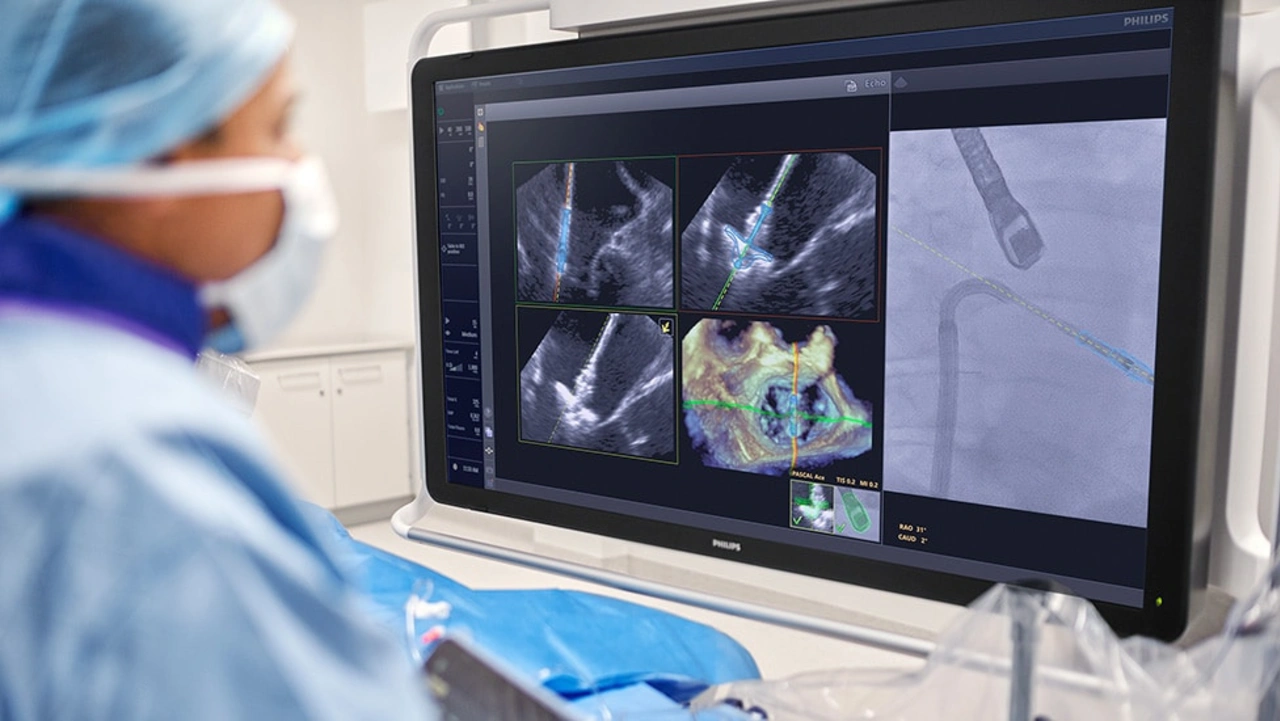
Philips demonstrates another facet of medical AI integration: the device-integrated approach. The DeviceGuide uses algorithms to navigate heart valve repair devices through the beating heart in real time. The software, which is based on the Echo Navigator platform, combines real-time echo and X-ray images to create a virtual 3D model of the repair device moving through the beating heart. "We are bringing AI directly into the operating room," says Dr. Atul Gupta, Chief Medical Officer at Philips. The AI system was developed in collaboration with Edwards Lifesciences and is initially approved for use with their Pascal Ace Mitral TEER therapy device.
The Platform Approach
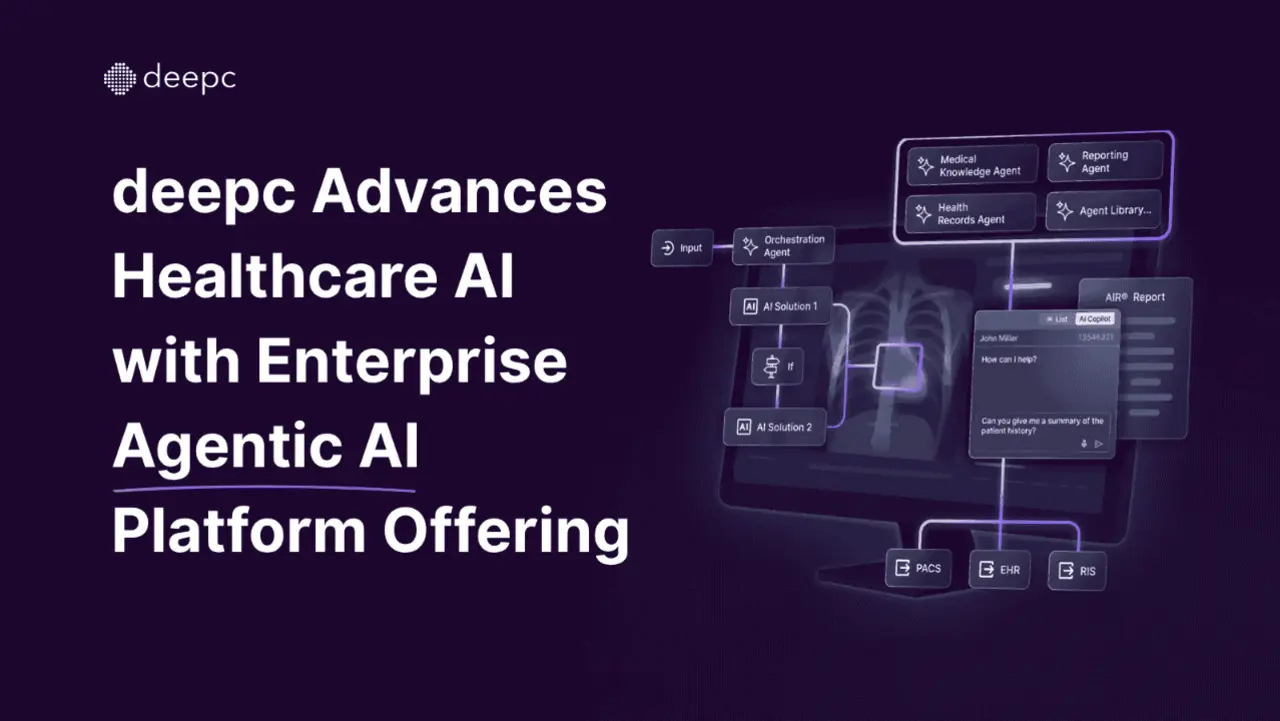
Das Münchner Start-up Deepc positioniert sich mit einem dritten Ansatz: einer herstellerneutralen Infrastruktur. »Das Gesundheitswesen braucht mehr als Einzelmodelle oder getrennte Plattformen – es braucht Intelligenz, die zusammenarbeitet«, sagt Dr. Franz Pfister, CEO von Deepc. Die neue Generation von DeepcOS verbindet als »Enterprise Agentic AI Infrastructure« Bilddaten, klinischen Kontext und Wissensdatenbanken zu einem Orchestrierungslayer. Über die Plattform können Kliniken aus mehr als 60 regulatorisch zugelassenen KI-Lösungen wählen – ohne technische, operative oder kommerzielle Komplexität.
Founded in 2019, the company recently secured a Series A extension of €12 million, bringing its total funding to $30 million. Initial implementations of the next generation of deepcOS are running in sandbox environments at Mass General Brigham AI in Boston, King's College and Guy's and St Thomas' NHS Foundation Trust in London, and LMU Hospital in Munich. "To use agentic AI responsibly in healthcare, you need both the regulatory framework and the technical foundation," emphasizes Prof. Sébastien Ourselin, Head of the School of Biomedical Engineering & Imaging Sciences at King's College London.
Pressure due to Shortage of Skilled Workers
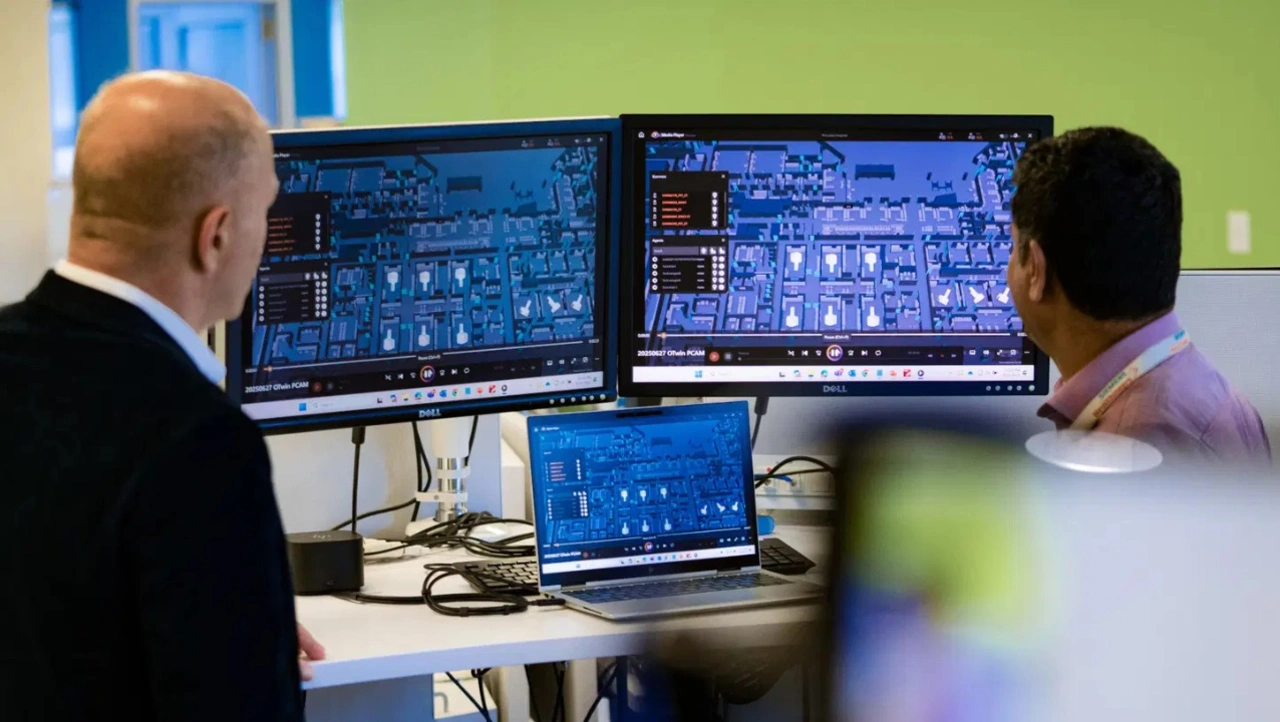
All three strategies respond to the same pressure: increasing demand coupled with a shortage of skilled workers. Mitral valve regurgitation affects more than 35 million adults worldwide, many of whom are too frail for open heart surgery. This is accompanied by a correspondingly high number of maintenance cases. DeviceGuide is designed to facilitate technically demanding minimally invasive repairs. At the same time, Siemens Healthineers is developing ActExcell Operational Twin, a consulting tool that simulates complex scenarios in hospital departments based on individual data and recommends optimized workflows. "Together with our clinical partners, we have identified steps in the radiology process where we can effectively provide relief," says João Seabra, Head of Enterprise Services at Siemens Healthineers.
The three developments presented at RSNA share a common principle: the physician remains in control, while AI expands their capabilities. "This is not about replacing expertise – it's about enhancing it," emphasizes Gupta from Philips. Prof. Pfister from Deepc puts it this way: "We are transforming infrastructure itself into a source of intelligence – seamlessly, responsibly, and scalably." (uh)