New Healing and Fitness for the Mind
Neuroimplants: How Small Brain Pacemakers will Change Medicine
Brain-computer interfaces offer new hope for people with paralysis and neurological disorders such as depression, epilepsy, anxiety, dementia or Parkinson's disease. The market potential for "Neurotech" is huge and goes far beyond medical technology. We take a look at the technology.
Elon Musk has changed electromobility with Tesla; with his medical technology company Neuralink and his "brain chip", he now wants to intervene in the human brain. But even apart from Musk's pithy announcements, brain-computer interfaces are a big hype topic in medical technology - the technological race to implant brain implants in people is becoming ever more intense.
| Neurotech & Neuroimplants |
|---|
Neurotech is the field of technology that deals with research into the nervous system and the brain. Neurotech is concerned with the development of devices and therapies that manipulate the nervous system to treat disease and enhance human performance. The human brain is complex, but neurotechnology aims to decode and control how it works - this could lead to a revolution in healthcare and technology in the long term. Neuroimplants are devices that are implanted in the brain to record or influence brain function. There are different types of brain-computer interfaces (BCI), including invasive BCI, which include neurochips, prostheses, exoskeletons and deep brain stimulation. These interfaces make it possible to capture signals from the brain and use them to control prostheses or exoskeletons, for example - but paralyzed people can also use BCI to write emails or eat independently again. |
Researchers were already working on BCIs (brain-computer interfaces) in the 1960s, when the first systems were tested on animals. The better science understood the brain, the more sophisticated the applications became, enabling paralyzed people to move robotic arms, play video games and communicate with their minds.
With the help of technological advances, robotics, wearables and artificial intelligence, as well as ever smaller electronic components, several research projects for brain interfaces have entered the clinical testing phase in recent years and could soon be available to a wider range of patients.
Neuro Implants Help With These Diseases
The list of diseases that could be treated with the help of brain implants and/or neurostimulation is long. Particularly intensive research is being carried out for patients with paralysis and muscle-related movement disorders, such as those that occur after accidents or in neurodegenerative diseases such as ALS or multiple sclerosis. However, mental illnesses such as depression and dementia are also the focus of scientific research, especially as the number of cases worldwide and therefore the market potential for future medical devices is significantly higher.
The most important indications are
- Paralysis: Neuroimplants can be used to capture signals from the brain to control prostheses or exoskeletons, for example, which can allow paralyzed people greater independence.
- Neurological diseases: In diseases such as Parkinson's, depression, obsessive-compulsive disorder and anxiety disorders, neuroimplants can be used to alleviate symptoms. For example, neuroimplants are already being used in more than 80,000 Parkinson's patients worldwide.
- Epilepsy: Neuroimplants can be used for deep brain stimulation to reduce epileptic seizures.
The use of neuroimplants offers promising approaches for the treatment of various neurological diseases and conditions.
| Neurostimulation to Combat ALS |
|---|
Every year, 2 micro percent of the world's population, i.e. around 2 in 100,000 people, are diagnosed with amyotrophic lateral sclerosis - better known as ALS. Men in Europe are affected more often than average. As the neurodegenerative disease progresses, the neurons that transmit signals to the muscles die off, the commands from the brain and spinal cord first become weaker and then eventually stop altogether. What begins with slight loss of movement progresses to paralysis and often ends in death within a few years. Neuroimplants can replace or modulate impaired nerve signals in ALS patients and thus improve the loss of motor function. The research is very promising. In particular, deep brain stimulation, in which electrodes are implanted in the patient's brain, could become a game changer for ALS patients. However, the specific application of neuroimplants in ALS requires further research. The potential to free ALS from the status of "incurable" using neuroimplants within the next few years is very great. |
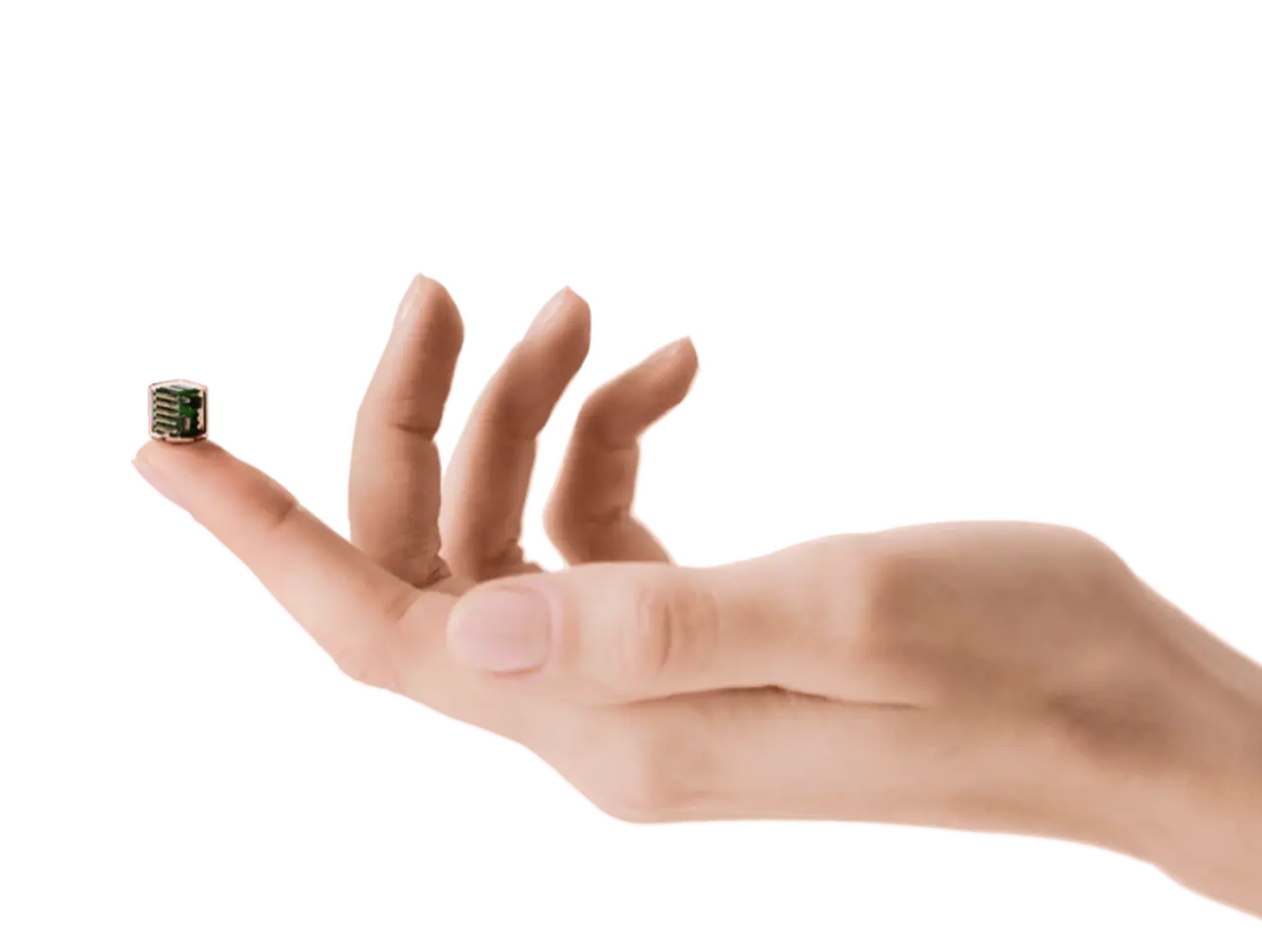
"Minimally invasive bioelectronics is the future of mental health treatment," said Jacob Robinson, CEO and founder of the American start-up Motif Neurotech, for example. "30 percent of patients with depression do not respond to two or more medications, and there is a significant need for additional, effective and easily accessible treatment options." The microstimulator developed by Motif is a wireless, battery-free implant that is inserted in a 20-minute outpatient procedure and worn permanently. Motif was able to prove that the pea-sized mini-implant for depression stimulates the human brain safely and effectively without touching the surface of the brain.
Most of the BCIs currently under development are not intended to cure the disease, but to alleviate or compensate for its effects or at least enable those affected to lead a more or less normal everyday life. Beyond medicine, neurological implants are also intended to improve people's cognitive abilities in the long term as brain boosters.
The Essential Role of AI in Brain-Computer-Interfaces
The decoding of neuronal signals, which is crucial for the functionality of neuroimplants, often requires the use of AI and machine learning. Since brain research is still comparatively in its infancy and neuronal correlations of mental processes are still poorly understood, AI supports the processing and interpretation of these signals.
However, the use of artificial intelligence (AI) in brain-computer interfaces raises ethical questions, as the technology has a direct impact on the human brain. Neuroethicists are following developments closely and want to ensure that ethical aspects are taken into account at the earliest stages of development and application. In the US in particular, but also in Europe, a multi-billion dollar industry for neuroimplants has now emerged.
These Companies are Working on Brain Stimulators
- Neuralink - While Elon Musk is publicly striving for a fusion of humans and AI, Neuralink's first goal is to allow paralyzed people to control a cursor or keyboard with their thoughts alone.
- Actigait is part of the German Otto Bock Group, which is known for electronic-assisted prostheses, among other things. The peroneal stimulator, which consists of an implant and non-invasive skin electrodes, sends electrical impulses to the human nerve pathways to counteract so-called foot drop. To synchronize the stimulation with the gait, heel contact switches report via cable or radio whether the heel is being loaded.
- Synchron is developing a brain-computer interface called Stentrode. The permanent, stent-like implant is designed to help paralyzed patients communicate and control devices with their thoughts. Stenrode can already be tested on humans with the permission of the FDA and is intended to treat various neurological diseases such as Parkinson's, epilepsy and depression.
- Blackrock Neurotech is a pioneer among BCI providers, supported by prominent investors such as Peter Thiel and Christian Angermayer. Research has been underway for almost 20 years and the Blackrock chip is already being tested in humans. With the help of brain technology, paralyzed Blackrock test subjects can eat, drink, send e-mails and operate robotic arms simply by thinking about them.
- Precision Neuroscience is working on a flexible brain implant that is five times thinner than a human hair. It is designed to stimulate neurons more safely and gently for the brain by emitting electrical impulses - and to minimize previous risks such as inflammation and scarring. The Precision Brain Implants are intended to ensure longevity, among other things.
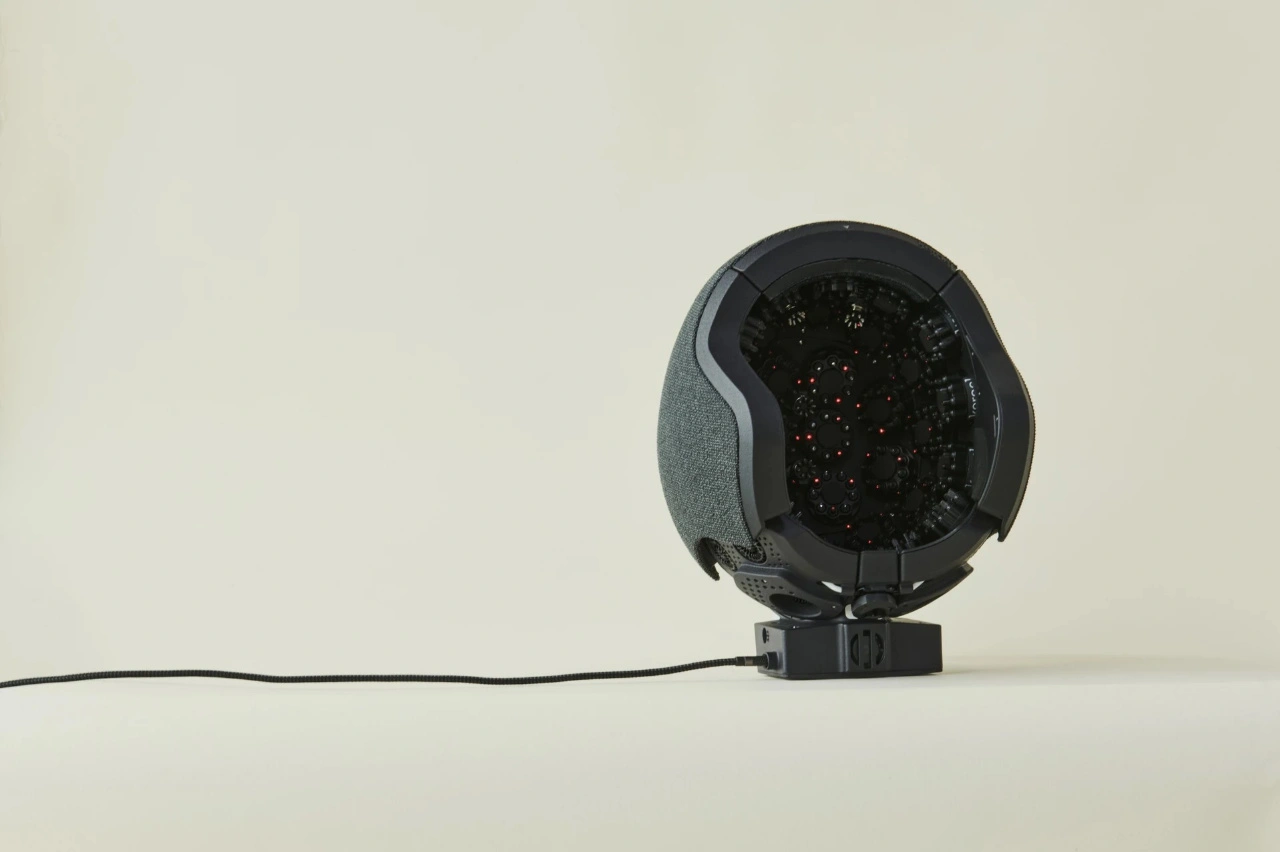
- Kernel is developing a non-invasive device that can read and write to the brain using infrared light. The technology is integrated into a kind of helmet and has already successfully helped a paralyzed man to move his hand again. Kernel wants to use its tech helmet to help patients with spinal cord injuries and other disabilities.
- CTRL-labs is pursuing a different BCI approach. The company uses a wristband to decode the electrical signals sent from the brain to the muscles of the hand. This technology could allow users to control virtual and real environments with their thoughts alone, without the need for invasive implants.
- Forest Neurotech is working on the development of a minimally invasive ultrasound whole-brain interface. Instead of electricity, the Forest-BCI is designed to detect and influence brain activity with high-frequency sound waves. Forest Neurotech focuses on technological development and wants to make its technology available for medical devices.
- Motif Neurotech - The American MedTech start-up received 18.75 million euros at the beginning of the year for the development of a mini-neurostimulator for previously untreatable mental disorders. The minimally invasive bioelectronics for the brain are to be used for depression, among other things.
The Market for Neuro Implants is Booming
| »In the future, BCIs could become as common as pacemakers are today.« |
|---|
| Blackrock Investor Christian Angermayer |
With the almost simultaneous founding of the companies Neuralink, Kernel and Synchron, 2016 can be seen as the birth year of the commercial neuroimplant industry, even if this breakthrough is based on decades of research. Blackrock was founded in 2008, but the company initially focused on research projects and the sale of software and hardware to other researchers.
Neuralink and Synchron alone have raised an investment volume of almost 500 million US dollars since they were founded. According to estimates, a total of over 1.7 billion dollars flowed into the young medical technology industry in 2021. The boom continues unabated, as shown by Motif Neurotech's current Series A financing of 18.75 million dollars for its mini brain pacemaker to treat depression.
The considerable investments reflect the growing interest in neurotechnological innovations and their potential to overcome neurological diseases. According to a report by Allied Market Research, the global market for neurotechnology is expected to reach a market volume of USD 30.8 billion by 2026. This corresponds to an annual growth rate of 13.3% in the period from 2019 to 2026.
The insertion of a Musk's Neuralink implant, for example, is expected to cost just under 10,000 dollars - including all examinations and hardware. Now that thousands of people have already signed up as test subjects following approval by the US Food and Drug Administration (FDA), the company is expecting annual sales of 100 million dollars over the next five years.
However, the growth and high expectations of the neurotech sector are not based solely on its use in medical technology.
Will Brain Boosters Make us Better People?
Beyond pure medical technology, neuroimplants could also improve people's health, performance and well-being in the form of more extensive bioelectronics. A combination of neurotech technology and wearables could ensure expansion into the areas of sport, wellness and well-being. Wearable devices would then be able to monitor brain activity in real time, track mental health and offer personalized coaching and possibly also automated brain stimulation based on personal perception or at least provide early warnings in the event of irregularities. Elon Musk calls this a "fitness tracker for the mind".
Neurotechnology promises to revolutionize medical technology and the entire healthcare sector. In addition to brain-computer interfaces, neuroprosthetics, neuromodulation and cognitive enhancement play a major role in the hype and the high volume of investment - start-ups play a leading role in the development of neuro-implants and the go-to-market. However, as with the use of artificial intelligence and other "new technologies", ethical considerations and challenges must be taken into account in the spread of neuro-implants - especially beyond pure medical technology. (uh)
The research for this article was supported by the use of Perplexity AI.